Turkic World: A Rising Actor in the Global Economy
Prof. Dr. Ömer Bolat, Minister of Trade of the Republic of Türkiye, evaluated the strategic and financial power of the Turkic world in the global economy in Business Turk prior to the 13th Summit of the Organization of Turkic States (OTS) to be held in Ankara. Reaching a gross domestic product of approximately $1.9 trillion and a population exceeding 175 million, the OTS geography is expanding its foreign trade volume and $122 billion worth of contracting investments in line with its new-era targets.
Turkic World: A Rising Actor in the Global Economy
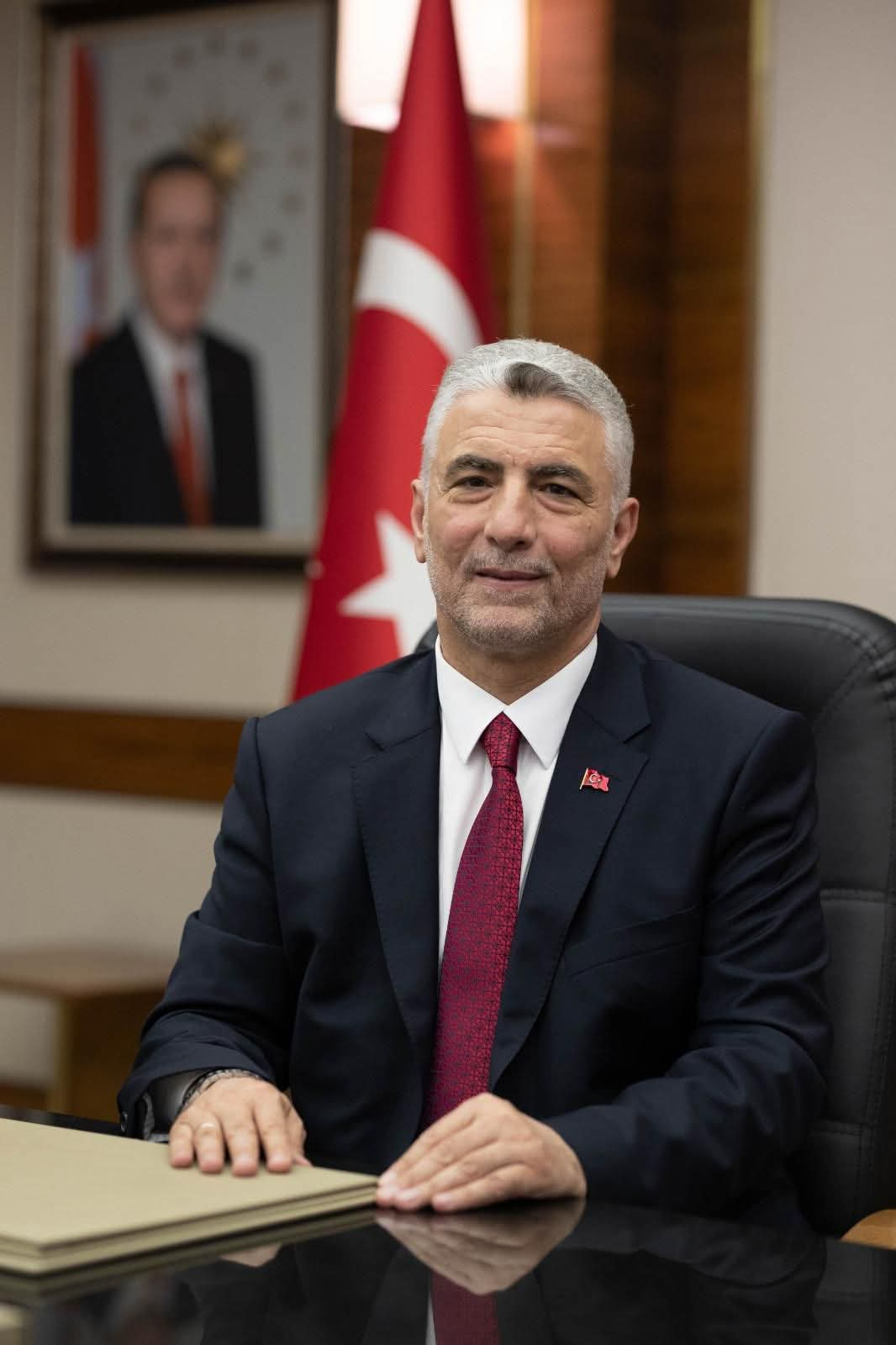
Prof. Dr. Ömer Bolat
Minister of Trade of the Republic of Türkiye
On October 29–30 of this year, alongside the enthusiasm of the 103rd anniversary of our Republic, our capital city Ankara will host a historic meeting. At the 13th Summit of Heads of State and Government of the Organization of Turkic States (OTS), to be convened under the chairmanship of our President, Mr. Recep Tayyip Erdoğan, the term presidency of the Organization will be transferred from dear Azerbaijan to our country. This handover is not merely a protocol-related change of hands; it is a symbol of our determination to transform the law of brotherhood of the Turkic world into an institutional partnership, and our unity of hearts into a joint economic body.
A Rising Actor in the Global Economy
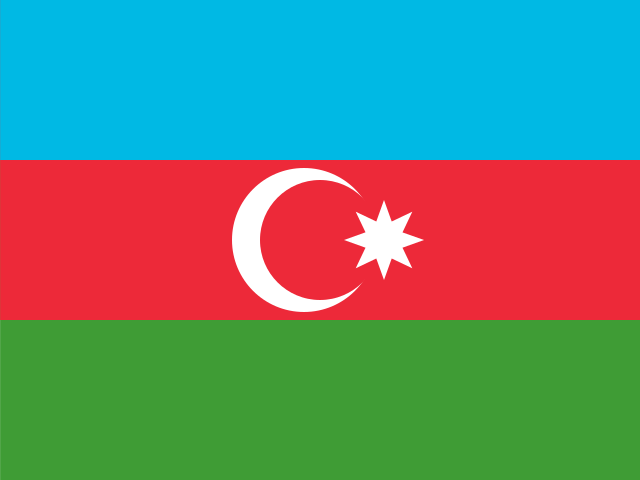
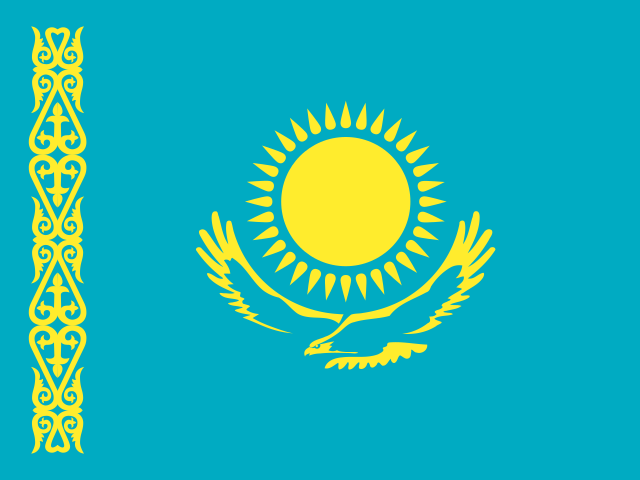
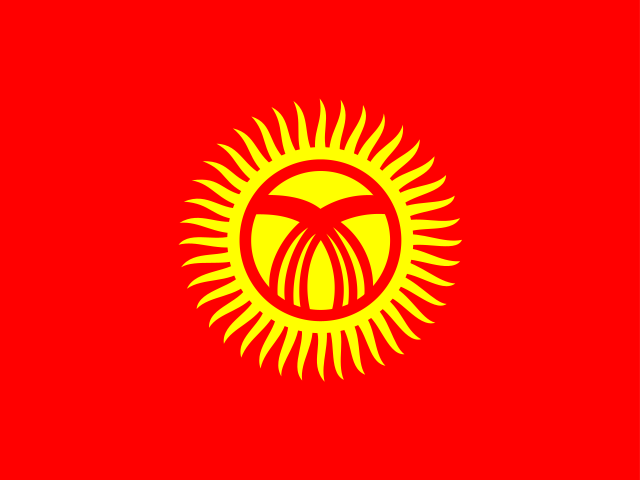
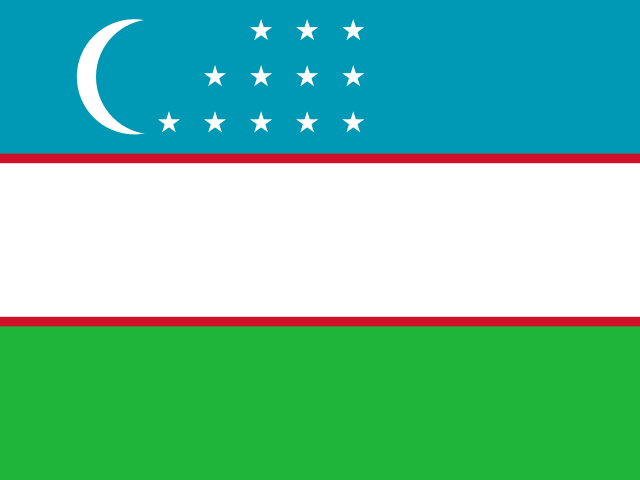
Established with the Nakhchivan Agreement signed in 2009, the Organization has today evolved into a strong umbrella body headquartered in Istanbul, bringing together Azerbaijan, Kazakhstan, Kyrgyzstan, Uzbekistan, and Türkiye as members, alongside Hungary, Turkmenistan, the Turkish Republic of Northern Cyprus, and the Economic Cooperation Organization as observers.
Our brotherly geography, united under this roof, is no longer an actor that can be ignored in the global economy. With a population exceeding 175 million and a combined gross domestic product of approximately $1.9 trillion, OTS members stand at the heart of global value chains. In 2025, the total exports of member and observer countries reached approximately $575 billion, while imports stood at $653 billion, with an average growth rate of 4.4 percent achieved across the Organization.
Concrete Gains in Trade and Investment
The most concrete return on the work we carry out with Turkic states is the steady rise in trade figures. While our foreign trade volume with Organization members was only $871 million in 2002, it reached $16.9 billion by the end of 2025—a nearly 20-fold increase. Last year, our largest trade partner in the Turkic world was Kazakhstan with $7.8 billion, followed by Azerbaijan with $4.3 billion, Uzbekistan with $3.1 billion, and Kyrgyzstan with $1.6 billion.
In line with the vision set forth by our heads of state, we target increasing our trade volume to $15 billion each with Azerbaijan and Kazakhstan, and to $5 billion each with Uzbekistan and Kyrgyzstan. These goals are not daydreams; they are realistic commitments backed by the agreements we have signed, Joint Economic Commission action plans, the mechanisms we have established, and the determination of our business community.
Our brotherhood is acquiring a permanent character through mutual investments. Today, our country's total investments in the member and observer states of the Organization have reached approximately $33 billion, while the investments of these brotherly countries in Türkiye have reached $22 billion.
Turkish contracting companies are also building the rising skyline of our brotherly geography. To date, our companies have executed 1,101 projects valued at nearly $55 billion in Turkmenistan, 547 projects worth $30 billion in Kazakhstan, 586 projects worth $23 billion in Azerbaijan, and 325 projects exceeding $9 billion in Uzbekistan. Consequently, the value of contracting services we have delivered in OTS member and observer countries has reached $122 billion. This picture is the concrete expression of brotherhood and bridges of the heart.
A Strong Institutional and Legal Ground
Sustainable trade growth depends on predictable rules, swift customs procedures, and harmonized digital infrastructure just as much as physical connectivity. With this understanding, our Ministry addresses the digital economy, services and investments, trade facilitation, and customs cooperation as the foundational pillars of the OTS trade and economic agenda, taking concrete steps in these areas in recent years.
The most important of these steps is the OTS Digital Economy Partnership Agreement (DEPA), negotiated by our Ministry. Signed at the 11th Summit in Bishkek on November 6, 2024, as the first binding agreement in the trade field on the Organization’s platform, DEPA covers paperless trade, e-invoicing, fast delivery services, electronic payments, and a robust dispute settlement mechanism. The bill approving the ratification of the agreement was adopted by the Grand National Assembly of Türkiye (TBMM) General Assembly on June 11, 2026. Meanwhile, the Agreement on Facilitation of Services and Investments for Sustainable Development (SIFA)—drafted by our Ministry, with negotiations launched this year—will strengthen trade in services and the investment climate.
Connectivity holds strategic importance in the economic integration of the Turkic world. The Trans-Caspian East-West Middle Corridor is not merely a transit line, but a development backbone capable of linking production, investment, logistics, finance, and services. According to World Bank studies, with the right investments and efficiency measures, travel times along the corridor could be halved by 2030, and trade flows could triple. To achieve this, coordination, logistics, and digitalization will be decisive alongside railway and port investments.
In this direction, significant progress has been made in customs and trade facilitation. With the Trade Facilitation Strategy Document adopted at the Samarkand Summit on November 11, 2022, the OTS Trade Facilitation Committee was established. Likewise, the Simplified Customs Corridor Agreement, signed in Samarkand and entered into force on November 29, 2024, aimed to simplify customs procedures, enhance digital information exchange, and shorten transit times. Technical meetings in 2025 and 2026 yielded progress in pilot implementations using tools such as e-TIR, e-CMR, Single Window, and electronic data exchange. At the 14th Meeting of Ministers in Charge of Economy and Trade held in Turkistan on February 20, 2026, the Cooperation Roadmap covering economy, trade, investment, and finance, as well as the Memorandum of Understanding on Partnership in Trade, were adopted, and the OTS Trade Nexus Forum concept document was approved.
The financing and business arms of this structure are also gaining strength. The Union of Turkic Chambers of Commerce and Industry (TCCI)—whose secretariat is carried out by TOBB—and the World Turkish Business Council play a critical role in spreading integration to the grassroots level. Meanwhile, the registered capital of the Istanbul-based Turkic Investment Fund was increased by 20 percent to $600 million with Hungary's participation. The Fund opens the door to a new era, particularly in financing SMEs and infrastructure projects.
Digital and Green Trade
The OTS Informal Summit convened in Turkistan on May 15, 2026, under the theme "Artificial Intelligence and Digital Development," highlighted an essential topic for the OTS agenda in the coming period. Green transformation is an integral part of this vision. Through the Baku Ministerial Declaration signed during the COP29 Conference hosted by Azerbaijan in 2024, we established the OTS Partnership on Climate, Innovation, Green Economy, and Trade (CIGET) with the signatures of OTS Trade Ministers.
Furthermore, the "Turkic Economies 2025 Report" prepared by our Ministry under the theme "Transition to a Green Economy" jointly addresses eco-friendly production and trade, green energy, the circular economy, and the global value chain competitiveness of the Turkic world. We believe this approach will create an ecosystem to mobilize private sector investments alongside the Turkic Investment Fund, TOBB, and developing green finance mechanisms.
In this context, digital transformation, innovation, artificial intelligence, connectivity, and sustainable development are no longer independent headings. The new-generation competitiveness of the Turkic world depends on bringing these fields together around shared standards and joint projects.
The Ankara Summit and Our Term Presidency Vision
In light of the Turkic World 2040 Vision and the 2022–2026 Strategy, the Ankara Summit will mark a turning point. We must carry the economic agenda of the Turkic world beyond the goal of "more trade." Our vision is an economic ecosystem where trade barriers are reduced, customs are digitalized, investments move safely under facilitated conditions, SMEs access new markets via e-exports, and the Middle Corridor connects high-value-added production networks.
As our country assumes the term presidency, we will walk shoulder to shoulder with our brotherly states in every field—from increasing trade volume and removing non-tariff barriers to uninterrupted multimodal connectivity, energy partnerships, digital and green transformation, and investments in tourism and services. As the Ministry of Trade, we will resolutely continue our work to facilitate trade, harmonize digital economy rules, reduce obstacles to services and investments, and establish stronger bonds between our private sectors.